
How Winter Storms Disrupt Manufacturing
by Keith Brown, President & Owner, Siena Group
Ok, Campers… it’s cold out there!
You’d have to have your head buried under a mountain of comforters to miss the many posts, pictures, videos, and firsthand accounts from the winter storm that rolled across half of the U.S. last weekend. Entire regions have been impacted in major ways. As I drove to the office Wednesday morning – fortunately, with mostly clear roads here in northern Raleigh-Durham – I heard a report that large portions of Nashville are still without power… with nighttime temps dipping into the single digits.
The human impact is very real. And so are the financial implications for businesses – especially manufacturers.
Candidly, watching the forecasts roll in last Saturday gave me a bit of PTSD. It took me straight back to the mid-to-late ’90’s, when I lived and worked in Corinth, Mississippi. According to historical records, the ‘Ice Storm of 1996’ ranks as one of the biggest winter storms in the state’s history.
I remember it so clearly. It was brutal.
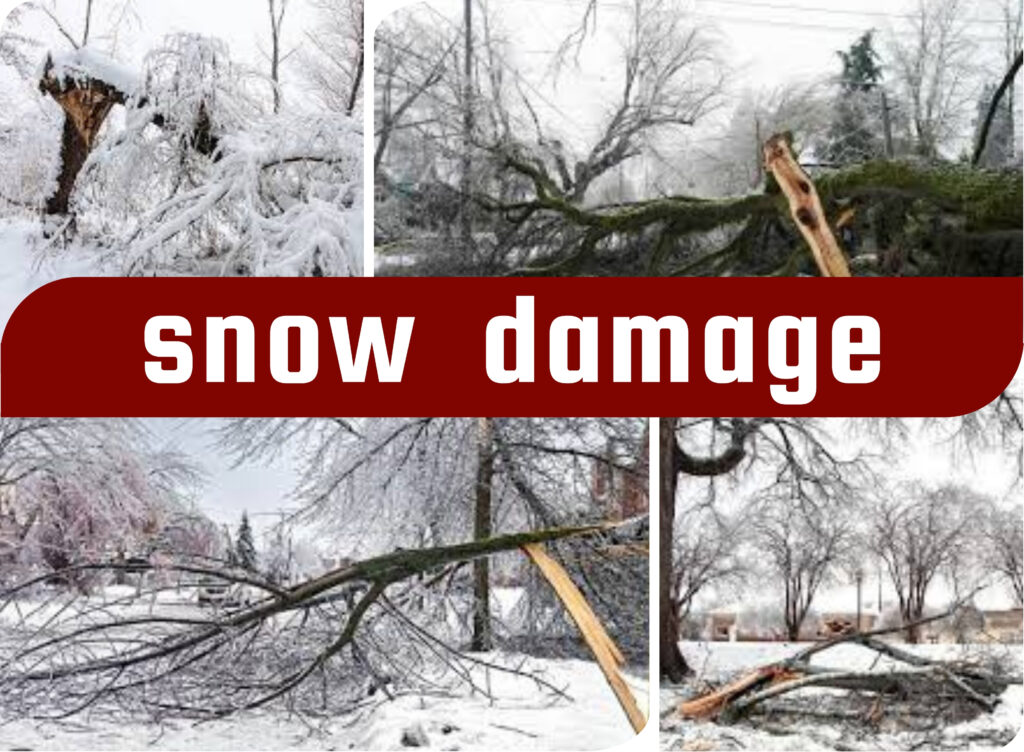
That night, I curled up with my dog in front of the fireplace, a stack of firewood sitting in my kitchen. Outside, it sounded like a gun battle was raging. Branches and entire trees were snapping under the weight of the ice, much like the videos we’ve all seen this week. The power was out. The water was impacted. And to add to the chaos, I had no real idea what to do – I’m a native Floridian!
When morning came, the damage was surreal. Large branches were sticking up straight up out of the ground, having snapped and fallen with enough force to spike into the yard! I tried easing my truck down the driveway, only to slide straight into the culvert. No power. No water. No transportation.
After days of being holed up in my house, I finally ventured out and connected with neighbors and friends. People helped each other through this very challenging time. Based on what we’re seeing unfold across the country right now, that same story is playing out again – just on a much larger scale.
Interconnectivity
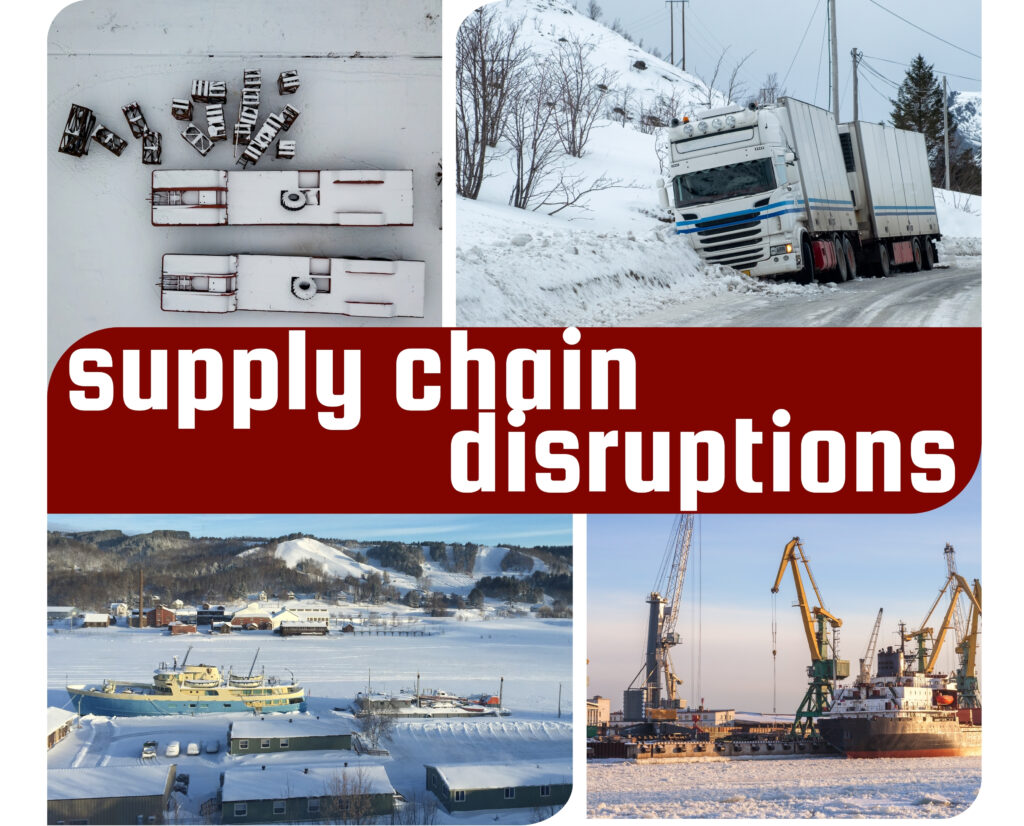
From a manufacturing standpoint, this storm is a powerful reminder of just how interconnected the supply chain really is. Even when one facility or region escapes the worst of the weather, disruptions elsewhere ripple quickly – and often unpredictably – through the entire system.
Some parts of the country are built to handle extended cold and ice. Others aren’t. When those weaker links get stressed, the flow of raw materials, components, and finished goods slows – or stops altogether. And it doesn’t take much. One closed highway, one powerless hub, one supplier down for a day or two can cascade into missed shipments, idle lines, and tough conversations with customers.
A recent LinkedIn article did a good job of highlighting how this storm is stress-testing the supply chain in real time, across every transportation mode and region at once. What struck me most was the parallel to COVID – and the question it raises: how much did we learn, and how much did we adjust and improve for emergency interruptions?
The article notes that many organizations did adapt – investing in what it calls:
“… diversified networks, better weather planning, smarter SLAs, and more resilient inventory strategies. Truckload, LTL, parcel, air, ocean transload, rail ramps, and last-mile delivery are being stress-tested simultaneously, across an unusually wide geography and time window.” [AMB Logistics]
This reinforces what I’ve been seeing firsthand: companies that build flexibility into their networks are the ones that hold up when the storm hits.
The article goes on to observe:
“This storm is exposing a simple truth: any network that is engineered purely for cost and efficiency, with no real margin for disruption, will break under a multi-region, multi-day freeze. The networks that hold up are the ones that can absorb shock, re-route intelligently, and tell customers the truth about what is realistically possible in dangerous conditions.” [AMB Logistics]
In other words, resilience isn’t optional – it’s built into the networks that survive extreme events.
The article also outlines several reasons why this matters, including:
- One Storm, Half A Continent: Simultaneous Pressure On Every Mode
- Power, Fuel, And Reefer: The Cold Chain Under Direct Attack
- Highways, Hubs, And “No-Dispatch Zones”
- The Shift from Just-In-Time To Weather-Resilient Supply Chains
The takeaway is worth repeating: storms on this scale are no longer rare outliers. They are “…recurring stress events. Resilient networks accept that reality and budget for it.” [AMB Logistics]
Cost Implications
From a manufacturer’s perspective, storms like this don’t have just weather-related consequences – they’re immediate hits to revenue and operations. While structural damage grabs headlines, the real costs often come from lost opportunity: delayed shipments, paused production lines, and the scramble to source raw materials when a supplier is offline.
Early estimates already suggest that this storm will be costly. IndexBox reports in “Winter Storm of 2026 Causes Billions in Economic Damage”:
“Climate economist Adam Smith, who used to run the National Oceanic and Atmospheric Administration’s billion-dollar weather disaster list, said this storm will easily cost multiple billions of dollars, making it the country’s first billion-dollar weather disaster of 2026.”
But these figures only tell part of the story. For manufacturers, the ripple effects – missed orders, idle equipment, strained labor – are often more consequential than the headline numbers.
All this points back to supply chain resiliency. Organizations that have invested in strong supplier relationships, flexible production schedules, and transparent communication with clients are in a much better position to weather these disruptions. As we highlighted in a previous blog: The Resilience-Ability of Manufacturing, leaders who proactively plan for interruptions don’t just survive – they minimize chaos and reduce costs.
In short, storms like this are a stark reminder: building resiliency into your operations isn’t a “nice-to-have” – it’s a competitive advantage. How quickly your team can adjust, reroute, and communicate during extreme events can be just as important as the products you make.
Another One?!?
The recent ice storm is certainly a tough way to start 2026. Disruptions like this hit revenue, production, and supply chains hard – and, like the ice sheet still on my driveway, the effects won’t disappear overnight. For manufacturers, the ability to adjust and adapt is more than a mantra; it’s a necessity. Teams that can pivot quickly, reroute shipments, and communicate openly with customers will be the ones that weather this storm – and the next – most effectively.

And yes, for much of the mid-South – including here in North Carolina – forecasters are already predicting another storm this weekend. It’s a stark reminder that extreme weather events are becoming part of the rhythm we need to plan around.
So, as we kick off the first quarter, the advice is simple: stay flexible, keep your networks resilient, and remember the human side of all this – neighbors, teams, and partners all working together to navigate the chaos.
Stay warm out there campers!
At Siena Group, we are your Thermoforming Talent Partner! We’re here to help in any and every way possible! With more than 30 years of experience in manufacturing, hiring & recruiting talent, we bring a greater understanding of the companies we partner with and the candidates we pursue. Let’s Strengthen Your Search!


Share our post with others
Love what you see? Share it with your connections now.