Harvesting Potential: Growing Tomorrow’s Leaders from Within
by Keith Brown, President & Owner, Siena Group
October is a time of harvest – a season that rewards steady cultivation, not quick fixes. In our most recent blogs and articles over the past few months, we’ve talked about the need for a well-rounded talent strategy that blends hiring, marketing, and long-term planning. The natural next step? Turning inward to nurture and develop the talent you already have.
A recent Forbes article, “3 Reasons to Update Your Talent Playbook”, captures this perfectly: “To stay competitive, organizations need clear internal growth strategies to help employees move into high-demand areas. Effective methods include building a skills inventory, identifying critical roles, and creating career pathways.” In short, lasting growth begins when leaders shift their focus from filling roles to cultivating potential.
Takeaway: Sustainable growth begins by cultivating the people already planted in your own organization.
From Recruiting to Retaining
There’s plenty of noise out there about talent scarcity – both now and in the near future. Our September Thermoforming Report, “The Great Hand-Off – Managing Generational Turnover”, dug into this topic in depth.
But the truth is simple: one of the most effective ways to solve your talent shortage is to keep the great people you already have.
Yes – this may sound counterintuitive coming from an external Talent Partner like Siena Group, but our role has always been to help in every way we can – whether that means finding new talent or helping you strengthen and retain the team already in place.
Recent research backs this up. HCA Magazine (9/24/25) reported that retaining talent is now the top priority for 59% of HR leaders, according to Gallagher’s US Workforce Trends Report. No surprise there: the same study found that “employers who focus on enhancing employee engagement can reduce attrition.”
Likewise, Davron’s September 2025 article, “Employee Retention vs. Attraction”, put it plainly:
“While talent attraction remains essential, the current landscape favors retention as the foundational strategy. Promoting well-being, internal career development, and early intervention through feedback and analytics builds long-term organizational strength.”
Retention has always mattered – but as the competition for skilled talent intensifies, it’s the key factor that separates the best from the rest.
Forbes’ latest article on the topic shared 15 strategies for this very thing. While they’re all worth exploring, three stand out:
- Strengthen culture as a built-in succession plan.
- Proactively foster a culture of growth and empowerment.
- Treat succession planning as a core talent strategy.
All three strategies point to a single truth: retention starts with culture. When you intentionally cultivate an environment of trust, growth, and opportunity, people choose to stay – and your organization thrives.
Takeaway: The best way to win the war for talent is to keep the great people you already have.
Why Internal Development Matters More Than Ever
There’s no shortage of statistics about engagement and retention, but a few are truly eye-opening. A Gallup poll from earlier this year noted that “employee engagement sinks to 10-year low.” Technically true – but even at that low, the 2024 engagement rate was 31%, compared to a high of 36% in 2020. So yes, it fluctuates, but the story behind the numbers is what really matters.
Gallagher’s report “Why Turnover is Still #1 Concern in 2025” hits closer to home. Their conclusion? The biggest issue isn’t benefits or bonuses – it’s leadership. Employees want to work for good leaders and with good teams. They don’t leave companies; they leave managers.
The report offers clear direction:
- Hold managers accountable for retention goals – not just HR.
- Conduct stay-interviews (not just exit interviews) to understand employee needs.
- Teach leaders how to provide meaningful, individualized recognition.
- Invest in leadership training focused on trust and communication.
Investing in good mentorship and leadership development programs will directly impact your retention success! Retention isn’t about adding perks or ping-pong tables. It’s about building better leaders, stronger relationships, and deeper engagement.
This is especially true for Millennials and Gen Z, who place a premium on growth and development. They want to see a future where they are – not somewhere else. If your leaders aren’t cultivating that growth, you’ll feel it in your turnover rate.
Takeaway: Great retention starts with great leadership – because people thrive when their leaders invest in their growth.
The Three Pillars of Harvesting Potential
We’ve talked about why internal development matters – now let’s look at how to make it real!
At Siena Group, we see three interconnected pillars that support a strong, sustainable talent strategy: Retention, Internal Development, and Succession Planning.
Each pillar builds on the one before it. When you retain your best people, you create space to develop them – and when you develop them, you prepare your next generation of leaders. That’s how organizations grow from within and stay future-ready!
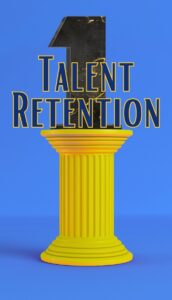
PILLAR 1: Retention: Keeping Great People Engaged and Fulfilled
Retention is the foundation of any growth strategy. Too often, organizations focus on pay scales, perks, or policies – and miss the biggest driver of loyalty: genuine growth and development.
A Forbes article, “How to Build and Develop Your Team to Increase Tenure and Revenue” (8/5/25) highlights several key areas. I like how they wrap it up:
“Enable internal career moves. Top talent doesn’t leave because they’re unhappy. They often leave because they don’t see a path forward. Encourage internal mobility between roles, departments and functions. When people believe they can evolve within your organization, they’re far more likely to stay and grow.”
That final thought says it all – people stay when they see possibility!
The same article closes with a powerful reminder: “You can’t scale revenue if you can’t scale trust, and trust starts inside your own organization. Retention isn’t about luck. It’s the byproduct of intentional leadership, focused development and a culture where great people choose to stay.”
At Siena Group, we see this every day. The competition for talent is fierce – and All-Star candidates often have multiple offers. We’ve had a few heartbreaking turndowns this year ourselves: great offers from great companies, but another opportunity simply won them over. The deciding factor wasn’t always pay – it was purpose, growth, and connection.
Keep your All-Stars by being intentional. Create a culture where people want to stay because they see their best future with you.
Takeaway: Retention grows when people see a future – not just a paycheck – in your organization.
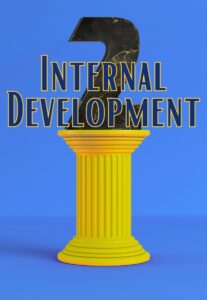
PILLAR 2: Internal Development: Building Skills and Leadership Capacity at Every Level
If retention is about keeping great people, internal development is about helping them grow. When employees see investment in their future, they invest back in the organization.
Several recent Forbes articles reinforce this theme – including:
- “Cultivate Growth from the Inside: A Guide to Leadership Development” (7/21/25)
- “20 Practical Ways to Upskill Employees for Long-Term Success” (9/10/25)
- “Why Leaders Should Prioritize Employee Career Development” (9/13/25)
Each article makes the same essential point: skill-building must be continuous, measurable, and part of your culture.
Technical, organizational, and leadership development all belong in your training strategy – and each with clear metrics for accountability. Growth doesn’t just happen; it must be cultivated with intention and consistency.
This principle isn’t new – I learned it firsthand early in my own career at Kimberly-Clark through a program called Situational Leadership. The premise was simple: leadership isn’t about titles – it’s about stepping up when the situation calls for it. As a young Process Engineer, I watched how strong leaders used those moments as coaching opportunities, helping others build confidence and capability. That’s what great leadership looks like in practice.
Every team member can lead from where they are. When leaders encourage that kind of ownership and curiosity, growth becomes part of everyday work – not an event that happens once a year during performance reviews.
Takeaway: Growth thrives where leadership is shared, feedback is constant, and learning never stops.
PILLAR 3: Succession Planning: Preparing Tomorrow’s Leaders Today
Succession planning is the natural next step after retention and development. Once you’ve invested in growing your people, the question becomes: how do you ensure that growth continues – even when key leaders move on?

It’s not just about filling roles; it’s about building continuity. Strong organizations make leadership transitions part of their culture, not a crisis they scramble to manage. Recent pieces from Criterion HCM’s “Succession Planning Guide” (7/8/25) and Harvard Business Review’s “Where Traditional Succession Planning Falls Short” (7/22/25) emphasize this shift: true succession planning must be proactive, ongoing, and deeply personal.
I saw this firsthand early in my career at Kimberly-Clark. Once a year, the VP of Engineering and his senior leaders visited every plant to meet individually with every engineer – not to evaluate performance, but to talk about careers. That commitment of time and attention made a lasting impression. It told me the company was invested in my future, not just my output. I felt seen, valued, and supported – and because of that, I wasn’t looking anywhere else!
That’s the real power of succession planning: it builds loyalty long before a promotion ever happens. When employees believe their organization has a plan for their future, they’re far more likely to stay and help shape it.
Takeaway: The best succession plans start long before someone leaves – they begin when leaders start investing in what’s next.
Taken together, these three pillars form a powerful framework for building and sustaining your talent pipeline.
Make It Happen
Just like a good harvest, cultivating leaders from within takes patience, planning, and care. The payoff, though, is lasting: a team that grows stronger over time because you’ve invested in their potential.
As we close out the year, we’ll take a deeper dive into each of these three pillars – exploring practical ways to keep your best talent engaged, developing, and ready for what’s next. Each area deserves its own spotlight, and our goal is to give you actionable strategies you can put to work right away.
Talent development isn’t a one-time project; it’s an ongoing practice. And the best time to start planting those seeds of growth? Always now!
Final Takeaway: Thriving organizations don’t wait for talent to grow – they cultivate it, season after season.
At Siena Group, we are your Thermoforming Talent Partner! We’re here to help in any and every way possible! With more than 30 years of experience in manufacturing, hiring & recruiting talent, we bring a greater understanding of the companies we partner with and the candidates we pursue. Let’s Strengthen Your Search!


Share our post with others
Love what you see? Share it with your connections now.