Candidate Insights: Navigating Manufacturing Hiring
by Keith Brown, President & Owner, Siena Group

From Resume to Offer: What Recruiters Notice and Value
In Part 1 of this series, we explored what hiring looks like from the client side of the table. Now let’s shift the lens to the candidate – because from the middle of the search, both perspectives matter.
Opportunities in manufacturing are everywhere. Yes, there is always the ebb and flow – contraction and growth – and some industries feel it more than others. Even so, it doesn’t take more than a cursory look to see that there are plenty of roles at all levels across the manufacturing spectrum.
So, how do candidates navigate the often messy, inconsistent process of getting hired? From our perspective – as a key go-between for candidates and employers – we bring unique insights and real-world anecdotes to bear.
Let’s get into the details!
Skills, Skills, Skills
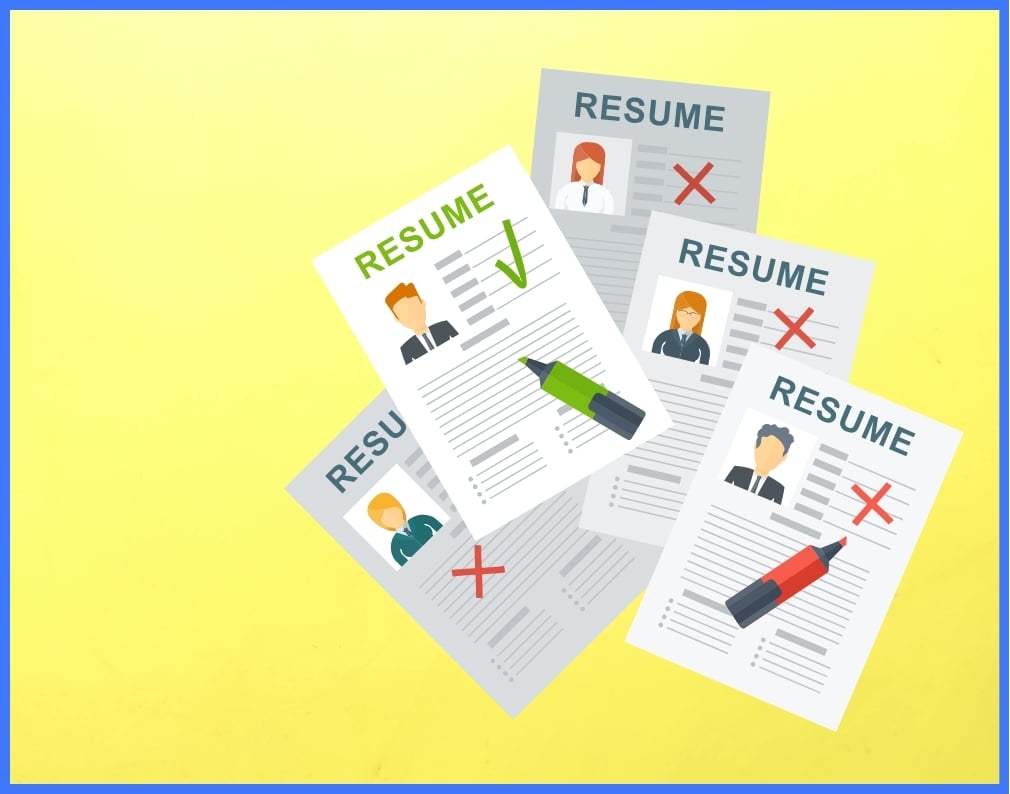
There is a lot of noise out there right now about skills gaps and AI-driven talent shifts. Strip it away and one fact remains: skills and experience matter. As a candidate, you absolutely must make sure you are highlighting specific skills and experience on your resume.
It doesn’t mean just generating a list.
Incorporate details – from the specific equipment you know to the systems and approaches you use (Taproot Analysis, SMED, QoE, MiniTAB, SAP, and many other examples).
A powerful, concise, well-written resume is non-negotiable. It carries significant weight and must clearly communicate your skills and expertise. As I’ve said many times before, “I need to know what you do for a living, but it is more important to know what you’ve done.”
Titles tell me your lane. Results tell me your impact.
Sharing a skill is one thing. Sharing a skill tied to a measurable result is much more powerful!
Assume Inefficiency
Unfortunately, truly efficient hiring processes are rare. They do exist. Those companies that embrace hiring as a critical component to continued success see the benefits of those efforts and that approach (as highlighted in our last Thermoforming Report).
But it is not common… which means you must be patient.

The smaller the company, the more likely the process is not going to be standardized. And those hires can actually happen quite quickly given that you are interviewing with business owners and/or empowered decision makers. As the annual revenue number ticks up, more systems are in place, and typically more people become part of the hiring process. It’s not inherently bad – but when everyone is busy, things slow down.
As a candidate for a role, if you are working directly with the Talent Team in an organization, you need to be the squeaky wheel. Yes, you need to be patient, but HR is typically always behind. Our perspective is hiring the exempt-level employee. HR supports those roles and all of the non-exempt talent gaps. And those hourly roles are notoriously challenging to fill – there are almost always openings. Plates are spinning. Things fall through the cracks. So, learn how to walk the line between being diligent and being a pest.
I’ve seen offers delayed simply because a hiring manager was traveling and no one owned the follow-up. The candidate who checked in – respectfully – stayed top of mind.
For external recruiters, we handle that follow-up on your behalf – in other words, we become the pest for you.
Yes, we are working in partnership with the company and tend to have a good working knowledge of how things work. At the same time, we’re also busy and therefore do recommend a nudge if things are not progressing as expected. And by all means, please reach out if you have other opportunities in motion! We can readily escalate and work to get to a decision, but if we do not know about it, we are not able to assist.
Preparation
Remember, you are not a professional candidate. You are not a professional interviewer.
With that as the baseline, you must prepare.
Candidates who work with us have access to detailed interview guides and question frameworks that help them prepare efficiently.
I’ve learned over the years – and especially recently – that most people are not strong interviewers. That’s where we can help. Without rehashing all of that content, probably the most important tip in your preparation is the 2-minute guideline. Here’s how it works: you get asked a question and your answer needs to be completed in under two minutes. Simple enough. Yet, the biggest frustration I hear from hiring managers is that the candidate went down a rabbit hole and though they sort of answered the question, they diverted and talked for more than 5 (or 10 or even 20!) minutes. Yeesh! You can be brilliant and the best candidate for the role – and still talk yourself out of an offer by over-answering.
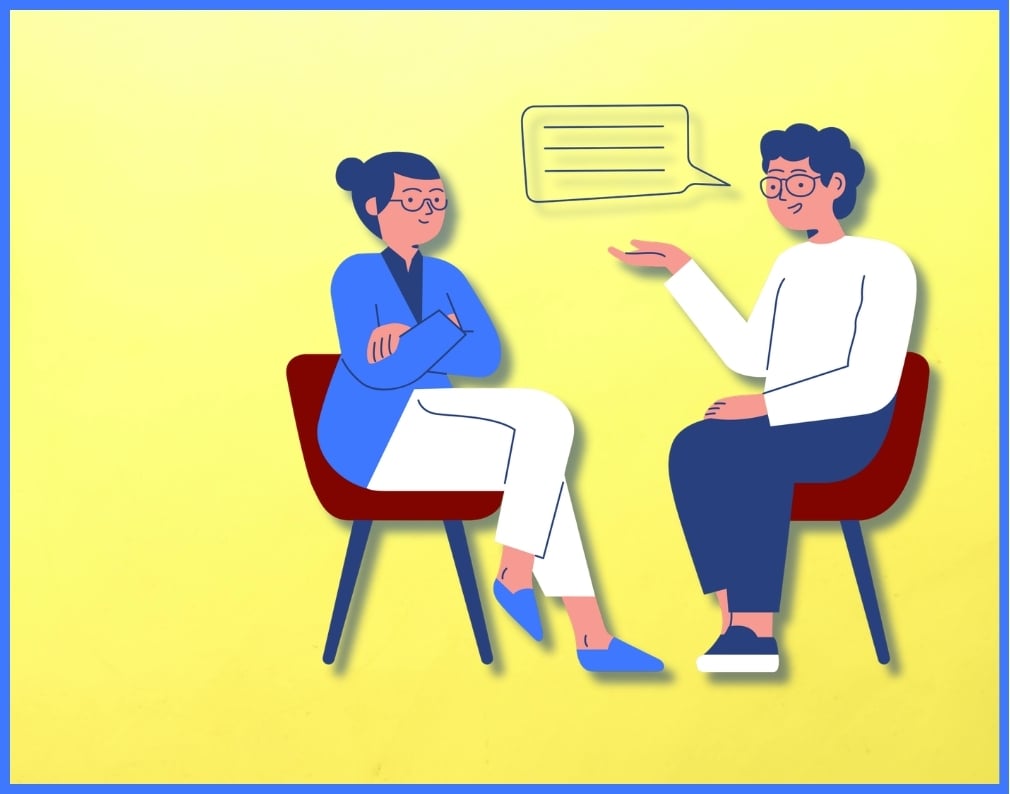
In a recent interview, the hiring manager closed by thanking the candidate for his “clean, concise responses and leveraging examples from his career.” He was invited back for the next round. That doesn’t happen by accident. That’s preparation. That’s discipline. That’s how strong candidates separate themselves.
To answer a question powerfully and concisely, you must be prepared. Think through your “hero stories” – those key and critical successes you’ve achieved in your career. Put yourself in the hiring manager’s shoes and think about the kind of information that would be relevant and compelling to hear.
Practice
Once you’ve done all that preparation, practice your responses out loud. Time yourself. Hearing yourself talk out loud may feel awkward at first, but it is imperative that you hear yourself talk about… yourself. Not only does this allow you to be comfortable with the content (and tooting your own horn), it also gives you a feel for timing. Mastering a two-minute answer creates space for follow up and gives the interviewer time to dig deeper – more questions mean more opportunities to highlight your skills, experience, and successes.
The time that you’ve saved by being efficient in your answers allows you time to flip the roles – you become the interviewer.
The Right Questions
Now, it’s your turn to do the asking. This is a real opportunity. Thoughtful questions stand out to the interviewer. They show that you invested time to prepare and think things through prior to sitting down with the hiring manager. Generic questions are forgotten instantly; thoughtful and insightful questions tend to be remembered… and that’s exactly what you want to be after an interview!

For example, one candidate asked, “What are the biggest challenges the team is facing right now?” This gave the interviewers a chance to share what they needed without revealing confidential details, while allowing the candidate to connect his experience to the role. That’s exactly the type of question that leaves a lasting impression.
The best questions allow you to ‘connect more dots’ – your skills and experience and successes directly to the needs of the role and organization.
We list several questions in our guides to assist you in this part of your preparation. And understand that in this market, you are also interviewing the company.
- Is it the right fit for your career desires?
- Do the culture and values of the company align with your own?
- What about their leadership style and approach?
Investing time in crafting great questions helps you gather the information you need to make an informed decision.
The Close
In my interviewing coaching, I always emphasize closing well. You need to maximize every opportunity for them to learn more about you and for you to learn more about them. The close is one more way to do just that. But not if you have a throw-away question.

The formula is simple: express genuine excitement; ask a compelling wrap-up question; paint a picture for them to envision you on the team; leave a strong final impression.
Here’s a quick example: “I’m really excited about this opportunity and the company. Is there anything that we didn’t get a chance to cover that would solidify in your mind that I’m a great fit for the team and role?”
There are many ways to close an interview. Prepare it. Practice it. Deliver it – and earn the offer.
From the middle of the search, we see both sides – what clients expect and how candidates perform. The difference between those who advance and those who stall is rarely luck. It’s preparation. It’s clarity. It’s discipline. The candidates who move forward aren’t lucky. They’re prepared.
Candidate Resources from Siena Group
Looking for additional guidance to prepare for your next interview?
Check out these two short blogs that build on the same theme – practical advice and insider perspective.
To request our full interview guides, contact us through our website or reach out to your Siena Group recruiter.

Mastering the Interview, Part 1: The Power of Preparation
Mastering the Interview, Part 2: What Top Candidates Do Differently
At Siena Group, we are your Thermoforming Talent Partner! We’re here to help in any and every way possible! With more than 30 years of experience in manufacturing, hiring & recruiting talent, we bring a greater understanding of the companies we partner with and the candidates we pursue. Let’s Strengthen Your Search!


Share our post with others
Love what you see? Share it with your connections now.